Overview of Bikini Competition Meal Plan PDFs
These PDFs provide structured, calorie‑controlled menus designed for bikini competitors. They detail macro splits, meal timing, and supplement cues to sculpt lean muscle while cutting fat. Available as PDF, Excel, or text, they include daily menus, weekly progress charts,and a guide ex to nutrition strateg.
Purpose and Structure of a Bikini Meal Plan PDF
In the competitive world of bikini modeling, a dedicated meal plan PDF serves as a roadmap that balances macronutrients, caloric intake, and timing to sculpt a lean, defined physique while preserving muscle mass.
The primary purpose of these documents is to provide athletes with a clear, evidence‑based framework that eliminates guesswork and ensures consistent progress toward a competition‑ready body.
Each PDF is meticulously organized into weekly or monthly sections, featuring a day‑by‑day breakdown of meals, snacks, and supplements.
The structure typically follows a logical progression: an introductory overview that explains the nutritional philosophy, followed by a table of macros that aligns with the athlete’s body weight, goals, and training intensity.
Key structural elements include: a calorie target per day, macro ratios (protein, fat, carbohydrates), a meal frequency schedule (often 5–7 meals), and a supplement list that may cover protein powders, pre‑workout blends, electrolytes, and post‑workout recovery aids.
Visual aids such as charts, progress trackers, and sample grocery lists are common, allowing competitors to plan purchases and stay accountable.
By integrating these components, the PDF becomes a comprehensive tool that guides athletes from the first meal of the day through the final post‑workout shake, ensuring that every bite contributes to the ultimate goal of a flawless stage presentation. It also fosters focus and consistency during training cycle!!
Common Features Across Popular PDF Plans
Across the most widely used bikini competition meal plan PDFs, several core elements recur, providing a consistent framework that athletes can rely on. First, a detailed macro distribution table is always present, breaking down daily calories into precise grams of protein, fat and carbohydrates that match the competitor’s weight, body‑fat target and training load. This table is usually color‑coded for quick reference. Second, a strict meal frequency schedule appears, often ranging from five to seven meals per day, with exact times (e.g., 6:00 am, 9:00 am, 12:00 pm, 3:00 pm, 6:00 pm, 9:00 pm) that align with circadian rhythms and workout windows. Third, each PDF offers a sample menu for every day of the week, complete with portion sizes, cooking methods and substitution options, allowing athletes to rotate foods while staying within macro limits. Fourth, a grocery list is included, organized by food group, which simplifies shopping and ensures that all required nutrients are on hand. Fifth, a progress tracker sheet is embedded, featuring columns for weight, body‑fat percentage, and weekly macro adherence, encouraging accountability. Sixth, supplement recommendations are listed, ranging from whey protein shakes to electrolytes, pre‑workout boosters and post‑workout recovery blends, with dosage instructions tied to meal timing. Seventh, hydration guidelines are provided, recommending milliliters per kilogram of body weight and electrolyte balance tips. Finally, many PDFs contain a “calorie‑adjustment” cheat sheet that explains how to tweak intake during bulking, cutting or maintenance phases, ensuring the plan remains adaptable. Together, these features create a comprehensive, user‑friendly resource that supports athletes from the first grocery trip to the final stage walk.
Key Nutritional Targets for Bikini Prep
In a bikini‑prep program, the macro blueprint is the cornerstone that translates training goals into tangible results. Most PDFs lock protein at 1.2–1.5 g per pound of lean body mass, ensuring muscle preservation while the body burns fat. Fat intake is usually capped at 20–25 % of total calories, providing hormones without excess energy; Carbohydrate allotments sit between 30–45 % of calories, with an emphasis on low‑glycemic sources to keep insulin spikes in check and support high‑intensity workouts. Total daily calories are calculated by subtracting 500–750 kcal from maintenance, creating a deficit that spares lean tissue. Micronutrient density is highlighted through a “green‑leaf” checklist: at least 5 servings of vegetables, 3 servings of fruit, and a daily dose of omega‑3s (1–2 g EPA/DHA). Hydration targets range from 0.5–1 L per pound of body weight, with electrolytes balanced to prevent cramping. Supplements are positioned as adjuncts: a whey protein shake post‑lift, a pre‑workout blend with beta‑alanine, and a multivitamin tailored to the athlete’s phase. Timing is as critical as quantity: protein is distributed every 3–4 hours, with 20–30 g per meal to maximize muscle protein synthesis. Carbohydrate cycling is employed around training days—higher on heavy lifts, lower on rest days—to optimize glycogen stores and fat oxidation. The plan also incorporates a “pre‑cut” phase where total calories are reduced by 20 % for 4–6 weeks, followed by a “re‑feed” day each week to reset metabolic rate. Sleep quality is factored in, recommending 7–9 hours nightly to support recovery hormones. By adhering to these targets, athletes can sculpt a lean silhouette that meets the aesthetic criteria of bikini competitions.
Typical Meal Frequency and Timing
Most bikini‑prep PDFs prescribe a 6‑meal schedule, spaced roughly every 3–4 hours, to keep metabolism primed and prevent catabolism. A typical day begins with a protein‑rich breakfast around 7 am, followed by a mid‑morning snack at 10 am. Lunch at 1 pm ensures a steady amino‑acid supply before the afternoon training block. Post‑workout nutrition is critical; a rapid‑digest protein shake is taken within 30 minutes of finishing the session, usually around 4 pm. Dinner at 7 pm balances carbs and fats for overnight recovery. A light, low‑calorie snack at 9 pm helps maintain glycogen without excess calories. This 3‑hour cadence aligns with the body’s protein synthesis window, reducing muscle breakdown risk. Some PDFs recommend an optional pre‑sleep protein dose (20–25 g) to provide a steady amino‑acid supply during the 8–10 hour fast of sleep. Timing is adjusted for circadian rhythms; early‑trainers may shift the first meal to 6 am, while late‑night competitors might push the final snack to 10 pm. Consistency across the week, coupled with a slight calorie deficit, drives the lean‑muscle aesthetic demanded by bikini competitions.

Typical weekly template:
- Meal 1 (Breakfast): 7:00 am – 30–35 g protein, 20–25 g carbs, 10–12 g fat.
- Meal 2 (Mid‑Morning): 10:00 am – 20–25 g protein, 15–20 g carbs, 5–8 g fat.
- Meal 3 (Lunch): 1:00 pm – 30–35 g protein, 25–30 g carbs, 12–15 g fat.
- Meal 4 (Pre‑Workout): 3:30 pm – 15–20 g protein, 20–25 g carbs, 5–7 g fat.
- Meal 5 (Post‑Workout Shake): 4:30 pm – 25–30 g protein, 10–15 g carbs, 0–2 g fat.
- Meal 6 (Dinner): 7:00 pm – 30–35 g protein, 20–25 g carbs, 10–12 g fat.
- Snack (Pre‑Sleep): 9:00 pm – 20–25 g protein, 5–10 g carbs, 0–2 g fat.
On a re‑feed day, the schedule shifts to a higher carbohydrate load, typically doubling the carb content of meals 3 and 6 while maintaining protein targets. This strategy spares glycogen stores, boosts metabolic rate, and signals the body that it is not in a prolonged deficit. The re‑feed day is often placed mid‑week to allow recovery from the first half of the cutting phase.
Strict timing and meal consistency are critical. Skipping or delaying a meal by more than 45 minutes can disrupt the anabolic window and lead to increased hunger, tempting an athlete to overeat. Therefore, setting alarms or using meal‑prep kits that align with the 3‑hour cadence is a common recommendation. Some programs also incorporate a “micro‑meal” strategy: a very small protein source (e.g., a boiled egg or a protein bar) every 2 hours to keep the body in a positive nitrogen balance, especially for those who train early in the morning and have a long gap before breakfast.
Meal timing is also adjusted based on training intensity. On heavy‑lift days, the pre‑workout meal is pushed to 3:30 pm to allow digestion, while on cardio‑heavy days the post‑workout shake is taken immediately after the session to replenish glycogen. This flexibility ensures the nutrition plan remains responsive to each training block, thereby maximizing performance and body composition outcomes.
BBR 6-Week Bikini Body Meal Plan PDF
BBR’s 6‑week PDF offers a calorie‑controlled menu, macro splits, and supplement cues tailored for bikini prep. It details daily meals, weekly caloric adjustments, and a structured supplement guide to help competitors lean while preserving muscle. For prep trains
Week-by-Week Caloric Breakdown
Week 1: 2 200 kcal – 30 % protein, 30 % fat, 40 % carbs.
Week 2: 2 100 kcal – 32 % protein, 28 % fat, 40 % carbs.
Week 3: 2 000 kcal – 35 % protein, 25 % fat, 40 % carbs.
Week 4: 1 900 kcal – 37 % protein, 23 % fat, 40 % carbs.
Week 5: 1 800 kcal – 40 % protein, 20 % fat, 40 % carbs.
Week 6: 1 700 kcal – 42 % protein, 18 % fat, 40 % carbs.
The decrement is linear to preserve muscle while cutting fat. A 5‑day high‑protein cycle (≈1.5 g/kg) is paired with a 2‑day refeed (≈20 % carb spike) to reset leptin. Meal timing stays at six meals: breakfast, mid‑morning, lunch, mid‑afternoon, dinner, and a pre‑bed snack. Pre‑workout meals contain 20–25 g protein + 30 g carbs; post‑workout shakes provide 30 g whey + 20 g carbs. Supplements include BCAAs during training, creatine monohydrate (5 g daily), and a multivitamin for micronutrient gaps. Hydration is targeted at 3–3.5 L/day. Tracking is done via a food scale and a spreadsheet to ensure macro adherence. By week 6, competitors should see a 5‑10 % body‑fat drop, primed for stage presentation.
Adherence hinges on precise weighing, consistent meal prep, and real‑time macro adjustments. Competitors often log intake in an app, double‑checking grams of protein, carbs, and fats. Weekly weigh‑ins and body‑composition scans guide incremental calorie tweaks, ensuring the body‑fat target is met without compromising strength. Staying hydrated, managing stress, and prioritizing sleep further amplify results.
Consistency, discipline, coaching support turn the plan into a winning strategy daily.
Supplement Recommendations
For a bikini‑prep program, the supplement stack is streamlined to support muscle retention, recovery, and micronutrient sufficiency while keeping the calorie budget tight. The core stack includes:
- Whey Protein Isolate – 20–25 g per shake, taken pre‑ and post‑workout to hit the 1.5–2 g kg⁻¹ protein target.
- BCAAs – 5–10 g during training to blunt catabolism and aid muscle synthesis.
- Creatine Monohydrate – 5 g daily, preferably with a carb source, to maintain strength and promote lean mass.
- Multivitamin/Mineral Complex – a daily dose covering 100 % DV for iron, zinc, magnesium, and vitamin D to fill dietary gaps.
- Omega‑3 (EPA/DHA) – 1–2 g to reduce inflammation and support hormonal balance.
- Electrolyte Blend – sodium, potassium, and magnesium to offset fluid shifts during a calorie deficit.
- Vitamin C & E – antioxidant support for recovery and immune resilience.
Optional add‑ons: a pre‑workout with beta‑alanine and citrulline malate for enhanced power, and a post‑workout recovery drink containing 30 g whey and 20 g carbs for glycogen resynthesis. All supplements should be taken in clean, calorie‑free forms to avoid excess intake. Tracking intake via a supplement log ensures compliance and prevents over‑supplementation. Consistency, timing, and quality of these products are the key differentiators that translate the meal plan into measurable results.
In addition, hydration protocols are critical; athletes are advised to consume 3–3.5 L of water daily, with electrolytes added during intense sessions. A pre‑meal supplement of 5 g of beta‑alanine can improve muscular endurance, while a post‑meal dose of 20 g of casein supports overnight recovery. Some competitors also incorporate a 5 g dose of L‑glutamine to aid gut integrity and reduce muscle soreness. All supplements should be sourced from reputable manufacturers with third‑party testing to ensure purity and safety.
Consistency is key daily.
Sample Daily Menu
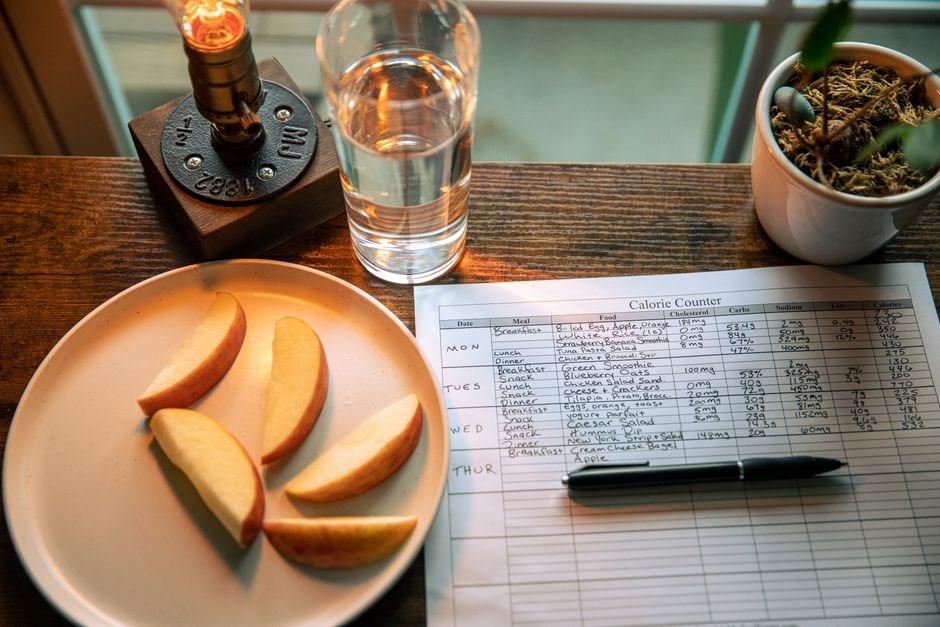
Below is a typical 1‑day menu from the 12‑week plan, totaling 1,473 kcal, 135 g protein, 31 g fat, 176 g carbs, and 47 g sugar. The structure follows 6 meals plus a snack, with an Asian‑inspired flavor profile.
- Meal 1 – Breakfast (7:00 AM): 1 cup cooked oatmeal (54 g), 1 scoop whey isolate (24 g protein), ½ cup blueberries, 1 tsp honey, 1 tbsp chia seeds.
- Meal 2 – Mid‑Morning (10:00 AM): 150 g grilled chicken breast, 1 cup steamed broccoli, ½ cup quinoa, drizzle of sesame oil.
- Meal 3 – Lunch (1:00 PM): 200 g sashimi tuna, 2 cups mixed greens, 1 tbsp soy sauce, 1 tsp rice vinegar, 1 tsp sriracha, ½ cup edamame.
- Meal 4 – Mid‑Afternoon (4:00 PM): 1 medium apple, 30 g almonds, 1 scoop whey isolate mixed in water.
- Meal 5 – Pre‑Workout (6:00 PM): 200 g baked salmon, 1 cup roasted sweet potato, 1 cup green beans, 1 tsp olive oil.
- Meal 6 – Post‑Workout (8:00 PM): 1 cup Greek yogurt (low‑fat), 1 tbsp honey, 1 scoop whey isolate, ½ cup strawberries.
- Snack – Evening (10:00 PM): 1 cup cottage cheese, 1 tbsp flaxseed, ½ cup raspberries.
Macros per meal are balanced to keep blood glucose stable and to support muscle recovery. Adjust portion sizes slightly if the calorie target shifts, but keep the protein ratio consistent.
For optimal results, pair this menu with a structured training program, adequate hydration, and consistent sleep. Monitor progress weekly, adjust portions if needed, and stay disciplined.
Stay strong!!

Danielles 12-Week Bikini Competition Meal Plan PDF
This PDF offers a 12‑week schedule, featuring 6 meals plus a snack daily. It includes macro targets, sample Asian‑inspired menus, and a 1,473 kcal template with 135 g protein, 31 g fat, 176 g carbs, 47 g sugar. Enjoy disciplined progress stay focused!!
Macro Distribution Overview
In a bikini‑competition diet, the macronutrient split is the backbone of lean muscle maintenance and fat loss. A common approach targets roughly 30–35 % protein, 40–45 % carbohydrates, and 20–25 % fat, ensuring ample amino acids for repair, glycogen for energy, and essential fatty acids for hormonal balance. This ratio is flexible: athletes with higher activity levels may lean toward the upper end of protein and carbs, while those prioritizing a tighter cut may shift slightly toward fat reduction. The key is to keep protein dense—about 1.0–1.2 g per pound of lean body mass—while cycling carb intake around training sessions to fuel performance and support recovery. Fat intake is concentrated in the evening to support hormone production and sleep quality. Regular body‑composition checks and caloric adjustments keep the athlete on track toward peak definition without compromising strength or endurance. Strategic carb cycling, protein timing, and fat management form the core pillars; training, monitor insulin response tweak macros daily weekly to preserve muscle while achieving a razor‑thin, vascular look for the stage. By integrating fasting windows and a strategic protein shake post‑workout, competitors can fine‑tune insulin sensitivity, enhance mitochondrial biogenesis, and maintain a lean, muscular physique that shines under stage lighting.!

Daily Meal Structure (6 meals + 1 snack)
Competitors following a 12‑week bikini plan often split their intake into six structured meals and a strategically placed snack. The first meal, consumed within 30–60 minutes after waking, balances protein, complex carbs, and healthy fats to jump‑start metabolism. Subsequent meals are spaced roughly 2–3 hours apart, aligning with training windows and circadian rhythms. A typical sequence might be:
- Meal 1: Egg white scramble, oats, berries, almond butter.
- Meal 2: Grilled chicken breast, quinoa, steamed broccoli, olive oil.
- Meal 3: Tuna salad with mixed greens, avocado, citrus vinaigrette.
- Meal 4: Lean steak, sweet potato mash, sautéed spinach.
- Meal 5: Protein shake with a banana, almonds.
- Meal 6: Baked cod, brown rice, roasted asparagus.
The snack, placed 30–60 minutes before final meal, is low‑glycemic to sustain energy without spiking insulin. Options include a Greek yogurt parfait, a small portion of cottage cheese with pineapple, or a protein bar with min added sugars Portion sizes are calculated to meet the daily macro targets: approximately 135 g protein, 30 g fat, and 180 g carbs for a 1473‑cal diet. Timing the snack before the last meal helps maintain steady blood glucose, supports recovery, and prevents late‑night cravings. This disciplined rhythm, coupled with consistent hydration and micronutrient support, creates a metabolic environment conducive to muscle preservation and fat loss, essential for a competitive bikini physique.
Sample Meal Example (Asian Cuisine)
For a 1473‑cal, 135 g protein, 31 g fat, 176 g carb plan offers flavor without excess calories. Breakfast (Meal 1) starts with a protein‑rich tofu scramble: 150 g silken tofu, 1 Tbsp sesame oil, diced bell pepper, and spinach, served with ½ cup cooked jasmine rice and a splash of low‑sodium soy sauce. The macro split: 30 g protein, 12 g fat, 35 g carbs. Mid‑morning (Meal 2) features a lean tuna bowl: 120 g canned tuna in water, 1 Tbsp rice vinegar, 1 Tbsp toasted sesame seeds, shredded carrots, cucumber ribbons, and 1 Tbsp sriracha for heat, topped with ½ cup edamame. This dish delivers 28 g protein, 10 g fat, 22 g carbs. Lunch (Meal 3) is a grilled chicken teriyaki plate: 150 g skinless chicken breast marinated in a homemade teriyaki glaze (low‑sugar soy sauce, mirin, ginger, garlic), paired with ¾ cup steamed brown rice, 1 Tbsp sesame oil, and a side of stir‑fried bok choy. Macros: 35 g protein, 14 g fat, 38 g carbs. Afternoon (Meal 4) offers a shrimp and vegetable stir‑fry: 120 g shrimp, 1 Tbsp coconut oil, mixed bell peppers, snow peas, and a dash of chili paste, served over ½ cup cauliflower rice. This meal contains 25 g protein, 9 g fat, 15 g carbs. Pre‑evening snack (Meal 5) is a protein smoothie: 1 scoop whey, ½ cup unsweetened almond milk, 1 Tbsp peanut butter, ½ banana, and a handful of spinach. Macros: 25 g protein, 12 g fat, 20 g carbs. Dinner (Meal 6) concludes with a sashimi plate: 120 g sashimi‑grade salmon, 1 Tbsp wasabi, 1 Tbsp low‑sodium soy sauce, 1 Tbsp rice vinegar, and a side of seaweed salad. Final macros: 27 g protein, 12 g fat, 16 g carbs. Total daily intake: 1473 cal, 135 g protein, 31 g fat, 176 g carbs, and 47 g sugar, aligning with the competition‑ready profile. This meal plan balances macro precision with culinary variety, ensuring competitors enjoy flavorful dishes while staying on target. The inclusion of seaweed, ginger, and sesame oil not only enhances taste but also provides antioxidants and healthy fats essential for recovery and skin health. By adhering to this structured schedule, athletes can maintain consistent energy levels, support lean muscle synthesis, and achieve a shredded appearance suitable for the stage. Consistency is key.Daily
How to Download and Use Bikini Meal Plan PDFs
Download PDFs from trusted sites, save as .pdf or .txt. Open with Adobe Reader or browser. Print or export to a print‑friendly view. Use the meal charts to log daily intake, adjust portions to match your calorie goal, and store in cloud for easy access.
Sync with fitness apps for and now tweak macros.
Best Sources and File Formats
When searching for a reliable bikini competition meal plan PDF, start with reputable bodybuilding sites, nutrition blogs, or official competition prep programs. Many free downloads appear on community forums, but always verify the author’s credentials and recent updates. Trusted sources include:
- Official competition prep sites that offer downloadable PDFs or Excel sheets;
- Well‑known nutritionists’ blogs that provide sample menus in PDF format.
- Community‑driven platforms where users share updated spreadsheets;
File formats matter for accessibility and editing. Commonly available options are:
- PDF (.pdf) – Portable, print‑ready, and widely supported.
- Excel (.xls / .xlsx) – Editable, ideal for tracking macros and adjusting portions.
- Text (.txt) – Lightweight, useful for quick reference or importing into other apps.
Choose the format that best fits your workflow: PDFs for a ready‑to‑use plan, Excel for customization, or text for minimalistic logging. Always keep a backup in cloud storage to avoid data loss and to sync across devices.
Google the author’s name, check credentials, and scan the file with antivirus.
Open PDFs with Adobe Acrobat. Open in Excel or Sheets. PDFs to spreadsheets if needed now.
Store files in folders cloud backup!!